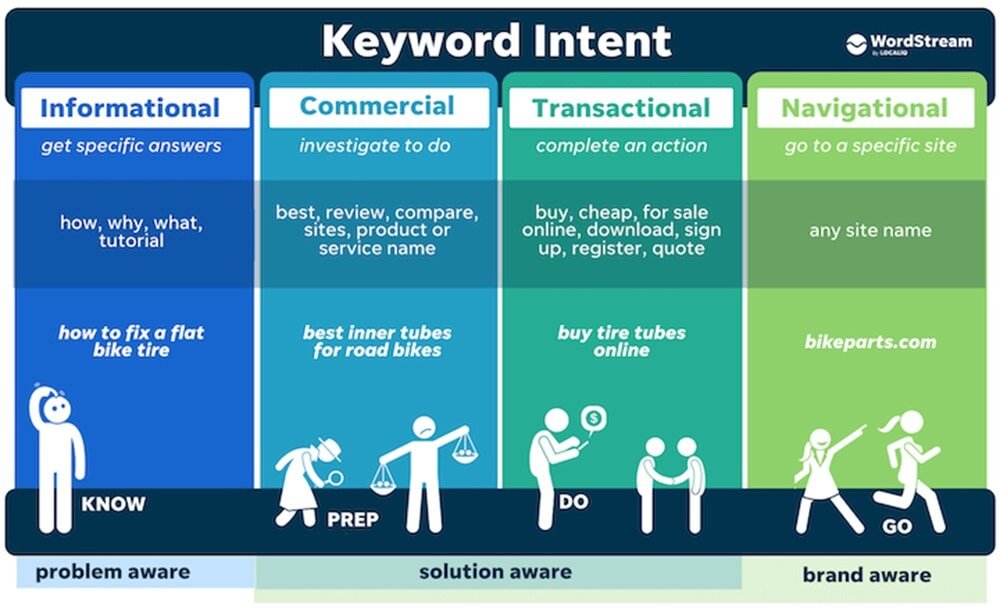
You're trying to grow your business, right? Attracting visitors to your website is one thing, but converting them into paying customers? That’s the real game-changer. The secret to bridging that gap often lies in Strategic Keyword Research for Commercial Intent. This isn't just about finding popular keywords; it's about identifying the precise terms people use when they're ready to open their wallets, not just browse.
Forget generic traffic. We're talking about connecting with "serious buyers" – those individuals who are actively looking to purchase, subscribe, or engage with a service like yours. Master this, and you'll transform your marketing efforts from a hopeful shot in the dark into a precision-guided missile aimed directly at revenue.
At a Glance: Your Blueprint for Commercial Intent Keyword Success
- Go Beyond Volume: High search volume means nothing if the searcher isn't ready to buy. Prioritize intent over popularity.
- Know Your Buyer's Journey: Different keywords signal different stages of readiness, from early research to "buy now."
- Spot the "Money" Keywords: Look for modifiers like "best," "affordable," "review," "buy," "discount," or local terms like "near me."
- Optimize Your Budget: Targeting high commercial intent keywords means less wasted ad spend and higher ROI.
- Align Everything: Your ads, landing pages, and content must perfectly match the user's intent to convert them.
- Use the Right Tools: Google Ads Keyword Planner, Google Analytics, SEMrush, and others are your allies in uncovering these valuable terms.
Why Understanding Commercial Intent is Your Marketing Superpower
Imagine this: You're running a marathon. Do you want to sprint at the start, wasting energy on the wrong path, or pace yourself strategically, knowing exactly where the finish line is? In marketing, Strategic Keyword Research for Commercial Intent is your finish line map. It's the disciplined process of understanding not just what people search for, but why they're searching and how close they are to making a purchase decision.
These aren't just any keywords; they're terms consumers type when they are actively looking to buy or educate themselves in order to buy. They signal a clear readiness to spend money or engage with a business, distinguishing them from purely informational queries (like "how does photosynthesis work?") or navigational queries (like "Facebook login"). When you align your content and campaigns with this deep understanding of intent, you unlock several powerful advantages.
Higher Conversions, Not Just Clicks
It sounds counterintuitive, but keywords with high commercial intent, even if they have lower search volumes, often significantly outperform high-volume, vague-intent keywords. Why? Because you're attracting "serious buyers." Someone searching for "best ergonomic office chair for back pain review" is far closer to a purchase than someone searching "office chair types." Your marketing efforts shift from casting a wide net to using a highly effective fishing spear.
An Optimized Marketing Budget That Delivers
Every dollar you spend on marketing should work hard. By focusing on commercial intent keywords, particularly in paid search, you ensure your ads target users most likely to convert. This leads to higher Quality Scores in platforms like Google Ads, which translates directly into lower cost-per-click (CPC), better ad rankings, and ultimately, a much higher return on your investment (ROI). You're no longer just throwing money at traffic; you're investing in potential customers.
Precision Targeting Across the Buyer's Journey
Think of your customer's journey as a funnel, with different keywords signaling where a prospect stands.
- Awareness Stage: "Do I need a lawyer for a car accident?" (Informational, but with commercial potential).
- Consideration Stage: "Best car accident lawyer San Diego reviews." (Investigative, comparing options).
- Decision Stage: "Workers compensation lawyer San Diego free consultation." (Ready to engage).
Strategic keyword research reveals these nuances, allowing you to create highly targeted content and campaigns for each stage. You're not just selling; you're guiding.
Decoding User Intent: The Categories of Commercial Keywords
Not all commercial intent is created equal. Understanding the subtle differences in keyword types allows you to craft messages that resonate precisely with a user's current mindset. Let's break down the main categories, each a golden opportunity waiting to be tapped.
1. Investigative Keywords: Researching Options
These are the bread and butter for prospects who are solution-aware or brand-aware but still weighing their choices. They know they have a problem or need, and they're actively exploring solutions. Think of them as the savvy shoppers doing their homework.
Common Modifiers Include:
- "Affordable"
- "Best"
- "Cheapest"
- "Comparison"
- "Review"
- "Top"
- "Vs." (e.g., "iPhone vs. Android")
Someone searching "best project management software for small businesses" isn't ready to click 'buy' just yet, but they're actively looking for a product that fits their needs. Your content here might be comparison guides, detailed reviews, or "top 10" lists.
2. "Buy Now" Keywords (Transactional): Ready to Commit
These keywords are the holy grail of commercial intent. Users employing these terms are typically past the research phase and are signaling an immediate readiness to purchase or engage. They're at the bottom of the funnel, credit card in hand.
Strongest Signals Often Contain:
- "Buy"
- "Order"
- "Discount(s)"
- "Deal(s)"
- "Coupon(s)"
- "Free shipping"
When you see a query like "buy iPhone 15 online" or "Dell laptop discount code," you know you're dealing with someone eager to complete a transaction. These are prime targets for direct sales pages, product listings, and highly competitive PPC ads. The "discount" and "free shipping" terms, while still signaling readiness, also indicate a desire for incentives.
3. Local Commercial Keywords: Your Neighborhood Customers
For businesses with a physical location or a service area, local commercial keywords are indispensable. These combine the desire to buy with a geographic constraint, making them incredibly valuable for brick-and-mortar stores and local service providers.
Key Terms Include:
- "Open now"
- "Near me"
[Product/service name] + [location](e.g., "landscaping Boston," "best coffee shop Seattle")
Optimizing for these terms means leveraging Google Ads, Google Local Services Ads, and, crucially, a meticulously optimized Google Business Profile. Someone searching "emergency plumber near me" isn't looking for a DIY guide; they need immediate service.
4. Product/Service Commercial Keywords: Specific Needs
These keywords indicate a clear interest in a specific product or service. While the prospect may be slightly less immediate than a "buy now" searcher, they often convert highly because they know what they want.
For Products:
- Branded searches: "Dell laptop," "Nike running shoes"
- Specific products: "iPhone 5c," "Roomba i7"
- Product categories: "insect repellent," "noise-canceling headphones"
For Services: - "Rent"
- "Hourly rate"
- "Consultation"
- "Free trial"
- "Service," "agency," "company," "firm" (e.g., "tax prep services," "digital marketing agency")
Branded and specific product keywords are highly competitive but convert exceptionally well due to strong intent. Terms like "comparison" and "review" for products/services also fall here, demanding content that guides the user to a decision.
Lead vs. Product Searches: Tailoring Your Approach
The intent behind a search can often be boiled down to whether the user is looking for a product they can buy outright or a service that typically requires further discussion and a "lead" generation process. Recognizing this distinction is key to crafting the right content and calls to action.
Lead Searches (Service-Based)
These are characteristic of service industries where the sale isn't a simple "add to cart." The prospect needs further discussion, a consultation, or a quote.
Examples:
- "best workman's comp attorney"
- "free consultation for business accounting"
- "web design services quote"
For these, your website needs to facilitate lead capture – contact forms, phone numbers, clear calls to action for consultations. The journey is often longer, but the client lifetime value can be significantly higher. This is where learning about SEO lead generation becomes particularly important for converting interest into tangible business opportunities.
Product Searches (Product-Based)
In contrast, product searches are often aimed at a direct transaction that can be completed online, or at least with minimal human interaction.
Examples:
- "affordable smart home devices"
- "cheapest wireless earbuds"
- "buy organic coffee beans online"
While terms like "affordable" or "cheapest" are effective in capturing product interest, they also signal high competition for price-sensitive buyers. Your optimization here needs to focus on clear product descriptions, competitive pricing, good quality images, and streamlined checkout processes.
Crafting Campaigns That Convert: Actionable Insights
Finding the right keywords is only half the battle. The real magic happens when you integrate those insights into a cohesive marketing strategy that truly converts. This means aligning every piece of your campaign to the user's commercial intent.
Perfect Alignment: Keywords, Ads, and Landing Pages
This is non-negotiable. For every high-commercial-intent keyword you target, your ad copy, and especially your landing page, must speak directly to that specific query.
- If someone searches for "best noise-canceling headphones review," your ad headline should reflect that ("Top-Rated Noise-Canceling Headphones Reviewed!") and the landing page should be a comprehensive review article that eventually guides them to your product pages.
- If they search for "buy Bose QC35 II," your ad should feature that specific product, and the landing page should be the product page itself, ready for purchase.
This perfect alignment not only boosts conversion rates but also significantly improves your SEO and SEM performance, signaling to search engines that your content is highly relevant.
Leveraging Google Ads for Ready-to-Buy Searchers
Google Ads is your playground for commercial intent. High suggested bids for a keyword are a strong indicator of high commercial intent and intense competition—but also potential profitability.
- Shopping Ads: While not keyword-targeted in the traditional sense, Shopping Ads are inherently commercial. You can structure campaigns with priority features to adjust bids based on inferred intent (e.g., bidding higher for products frequently searched with "buy now" modifiers).
- Targeted Text Ads: For investigative or specific service keywords, craft compelling ad copy that includes the commercial modifiers and directs users to highly relevant landing pages.
Extending Your Strategy Beyond Google
Your keyword strategy shouldn't stop with Google. Commercial intent keywords can inform your efforts across multiple platforms for unified visibility:
- Facebook & Instagram: Use your commercial intent keyword research to develop highly targeted lookalike audiences based on existing customer data, or to create interest-based targeting for users who might be researching products.
- YouTube: Create video ads or content that addresses commercial queries (e.g., "product comparison reviews," "how-to buy guides").
- LinkedIn: For B2B services, keywords like "B2B marketing agency" or "CRM software comparison" can inform targeted ad campaigns or content marketing aimed at decision-makers.
The goal is to provide a consistent, conversion-focused message wherever your high-intent audience might be searching or consuming content.
Your Toolkit: Finding Those High-Intent Gems
Now for the practical stuff. How do you actually unearth these valuable commercial intent keywords? Fortunately, a suite of powerful tools can help you analyze search behavior, competition, and potential profitability.
1. WordStream’s Free Keyword Tool
A great starting point for quick insights. Simply input a seed keyword, select your industry, and specify a location. The tool will provide estimated search volume, top-of-page bid (a good indicator of commercial intent, as higher bids often mean higher conversion value), and competition levels. It’s perfect for brainstorming initial ideas and gauging market interest.
2. Google Ads Keyword Planner (GKP)
This is your essential ally. Accessible via "Tools and Settings" > "Discover new keywords" in your Google Ads account, GKP allows you to:
- Discover New Keywords: Enter a product or service, your website, or a related category, and GKP will generate a wealth of keyword ideas.
- Analyze Keyword Ideas: Look closely at the "Top of page bid (low range)" and "Top of page bid (high range)." Keywords with high suggested bids (e.g., for "buy iPhone," "cheap iPhones") strongly indicate high commercial intent and intense competition, but also high potential value. These are the keywords advertisers are willing to pay more for because they convert.
3. Google Analytics (GA)
Your website's own data is a goldmine. Navigate to Acquisition > Google Ads > Keywords (assuming your Google Ads and Analytics are linked). Here, you can identify:
- Top-Performing Keywords: Which keywords are already driving traffic?
- Conversion Percentages: Which keywords lead to actual sales or leads?
- Total Conversions and Monetary Value: Quantify the impact of each keyword.
Assess if your current top-performing keywords include high commercial intent terms. If not, this is a clear signal to expand your Google Ads strategy to include more of these terms, preparing for potentially higher CPC but also higher conversion likelihood.
4. Additional Pro-Level Tools
For deeper dives and competitive analysis, these tools are invaluable:
- SEMrush & Ahrefs: These platforms offer comprehensive keyword research suites. They allow you to see what keywords your competitors are ranking for (both organically and in paid search), analyze keyword difficulty, track your own rankings, and discover countless related keywords and content ideas. Use their "keyword magic tool" or "keyword explorer" features to find commercial modifiers quickly.
- Ubersuggest: A more budget-friendly option, Ubersuggest provides similar data on search volume, CPC, and keyword ideas, often with content suggestions.
- Snov.io: While primarily an email outreach tool, its ability to find intent-based leads can complement your keyword research by connecting you directly with prospects who have shown commercial intent through their online activity.
- HubSpot CRM: Beyond keyword research, HubSpot helps you map your content to the buyer's journey, ensuring that every piece of content you create – from blog posts to landing pages – aligns with a user's intent at a specific stage.
Beyond the Basics: Advanced Strategies & Common Pitfalls
While the foundation of commercial intent keyword research is solid, there are nuances and potential missteps to be aware of.
Don't Fall for the "High Volume Only" Trap
A common mistake is to exclusively chase keywords with massive search volumes. Remember, traffic is vanity, profit is sanity. A keyword like "luxury watches for sale" might have lower volume than "watches," but the searcher is infinitely closer to buying. Always prioritize intent and relevance over sheer volume.
Embrace Long-Tail Commercial Keywords
These are longer, more specific keyword phrases (e.g., "waterproof smartwatches for swimming reviews"). They often have lower search volume but incredibly high commercial intent and less competition. Optimizing for these can lead to highly qualified leads and sales with less effort. Think of them as tiny, highly potent streams of traffic.
Keep an Eye on Seasonal & Trending Intent
Commercial intent can shift with seasons, holidays, or current events. "Christmas gift ideas for dad" will spike in November/December, while "summer vacation packages" peaks earlier in the year. Tools like Google Trends can help you spot these temporal opportunities. Staying agile allows you to capture fleeting, high-intent traffic.
Continuously Monitor and Adapt
Keyword research isn't a one-and-done task. User behavior evolves, competitors change their strategies, and new products/services emerge. Regularly revisit your keyword lists, analyze performance in Google Analytics and Google Ads, and be ready to adapt. Remove underperforming keywords, discover new opportunities, and refine your approach.
Turning Searches into Sales: Your Next Steps
You've learned that Strategic Keyword Research for Commercial Intent isn't just an SEO tactic; it's a fundamental business strategy. By focusing on the "why" behind every search, you dramatically improve your click-through rates, attract more qualified leads, and ultimately, generate more conversions. This isn't just about getting more traffic; it's about transforming anonymous search queries into tangible business opportunities and revenue growth.
Here's your actionable blueprint to move forward:
- Audit Your Current Keywords: Use Google Analytics and Google Ads to identify which of your existing keywords are already driving conversions. Are they high commercial intent terms? If not, make a list of your top-performing commercial intent keywords that you might be missing.
- Brainstorm Seed Keywords: Start with your core products or services. Think about how a customer would describe their need, their problem, or the solution they're seeking.
- Dive into Keyword Research Tools: Use WordStream's Free Keyword Tool, Google Ads Keyword Planner, SEMrush, or Ahrefs to expand your seed keywords. Pay close attention to suggested bids and commercial modifiers like "buy," "review," "best," "affordable," and local terms.
- Categorize by Intent: Group your discovered keywords into the categories we discussed (Investigative, Buy Now, Local, Product/Service). This will guide your content and ad strategy.
- Map Keywords to Content and Campaigns:
- For "Buy Now" keywords, direct users to product/service pages or dedicated landing pages with clear calls to action.
- For Investigative keywords, create comparison guides, expert reviews, or solution-focused blog posts that establish your authority.
- For Local keywords, ensure your Google Business Profile is optimized and consider local PPC campaigns.
- Align Ad Copy and Landing Pages: Ensure a seamless, highly relevant experience for the user from their search query, through your ad, to your landing page. This is critical for conversions and Quality Score.
- Monitor, Test, and Refine: Launch your campaigns and consistently track their performance. Which keywords are converting best? Which need optimization? Be prepared to adjust bids, update ad copy, and refine landing page content based on real-world data.
By making commercial intent the guiding principle of your keyword strategy, you're not just playing the search engine game; you're playing to win. You're focusing your resources, attracting genuine prospects, and building a path directly from search to sales. Start today, and watch your conversion rates soar.